
Runs on the cameras you already own
The AI platform for casino table games
Track every hand, every wager, and every payout. Automatic player rating. Automatic player profiles. Automatic game protection.
Backed byCombinator
Built by ex-casino operators and engineers from



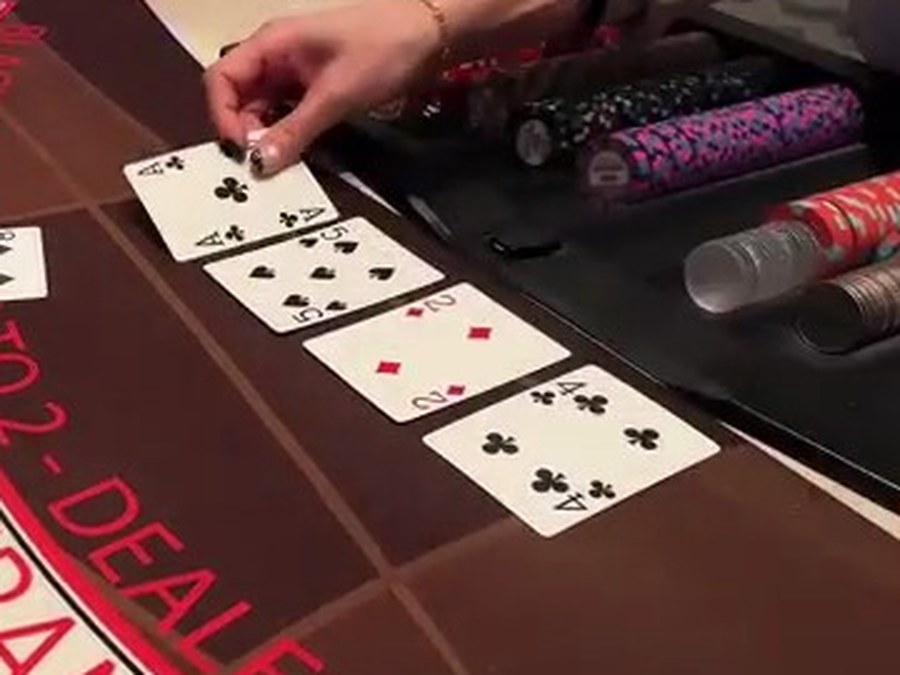


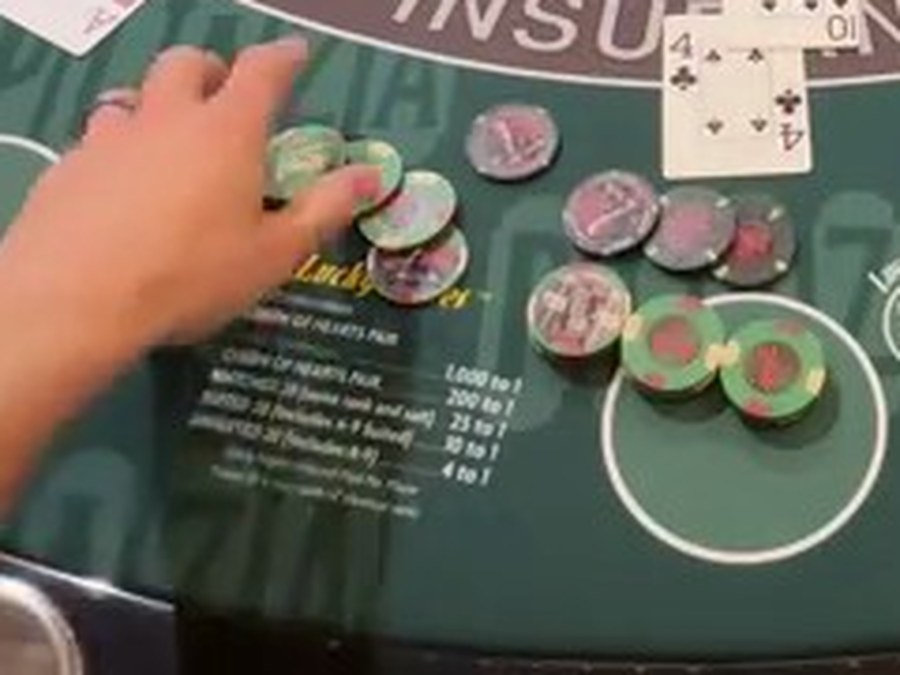

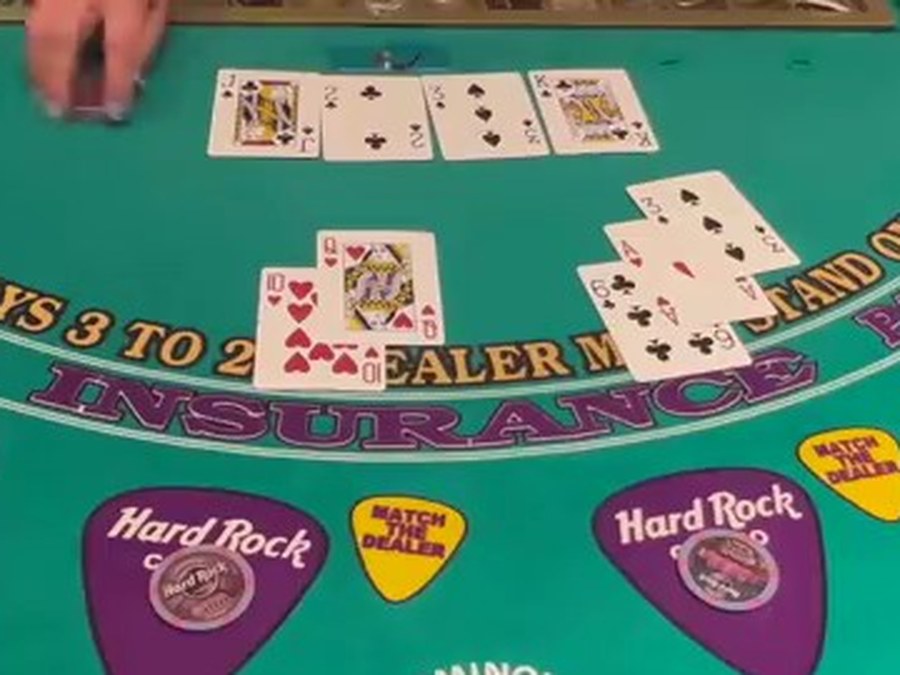
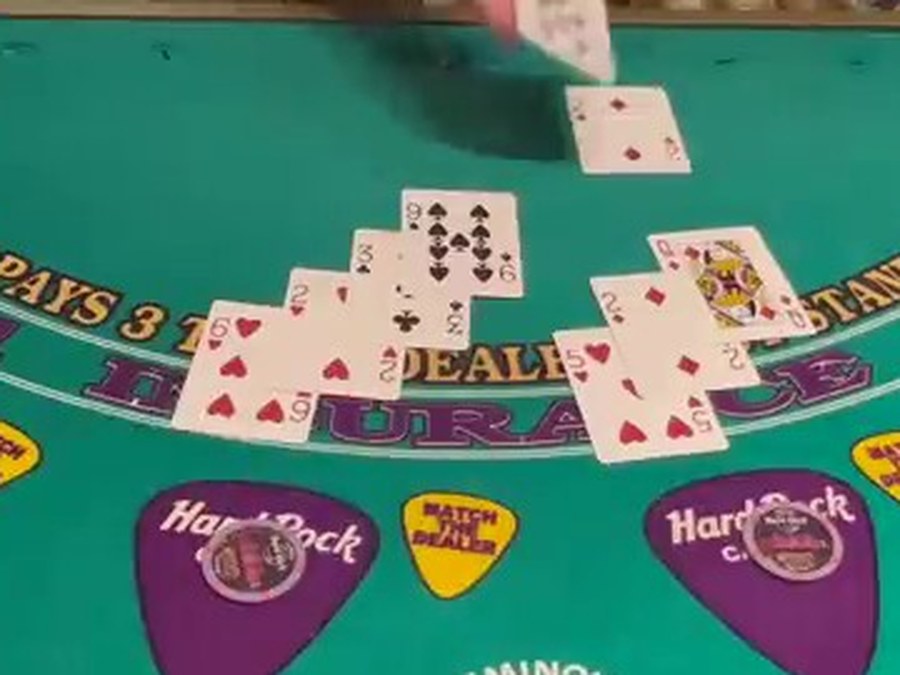



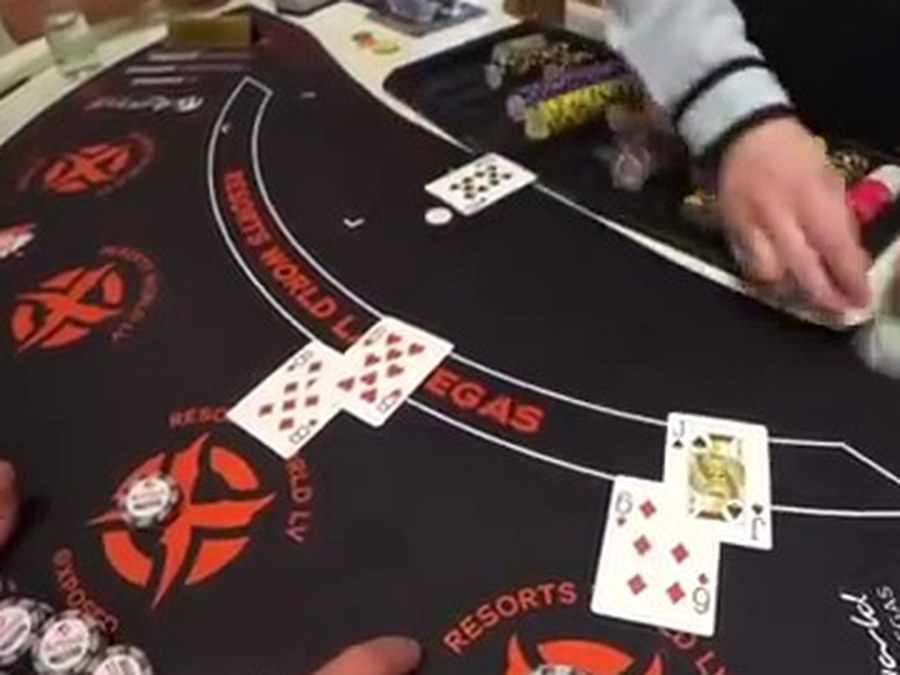
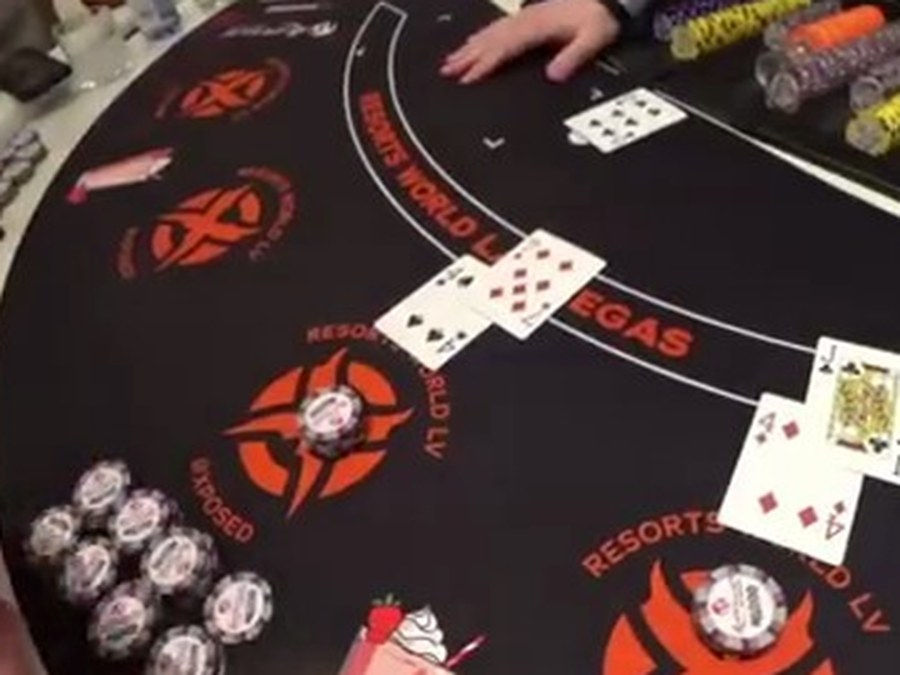
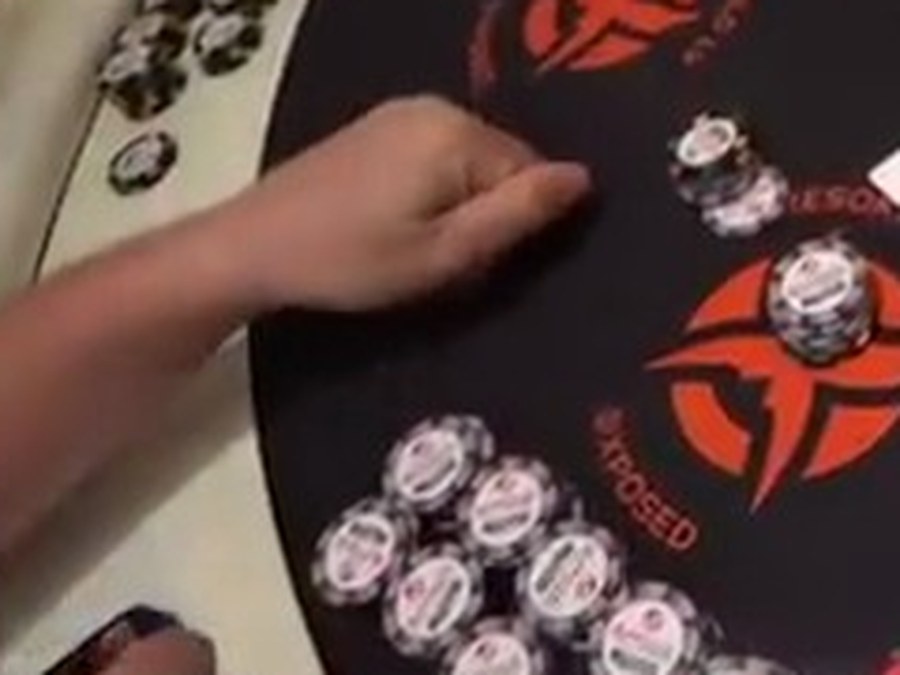
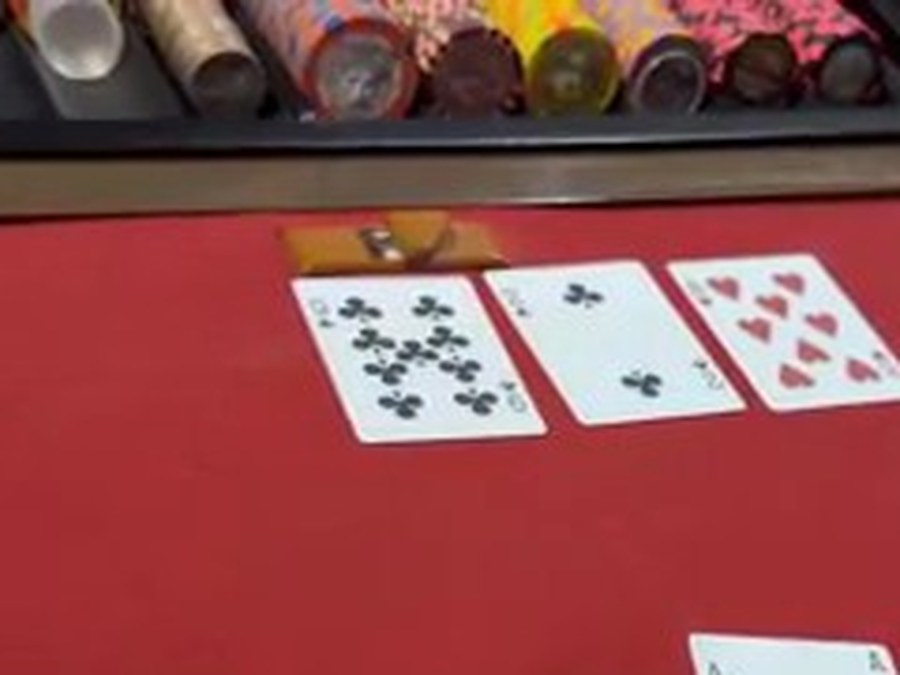
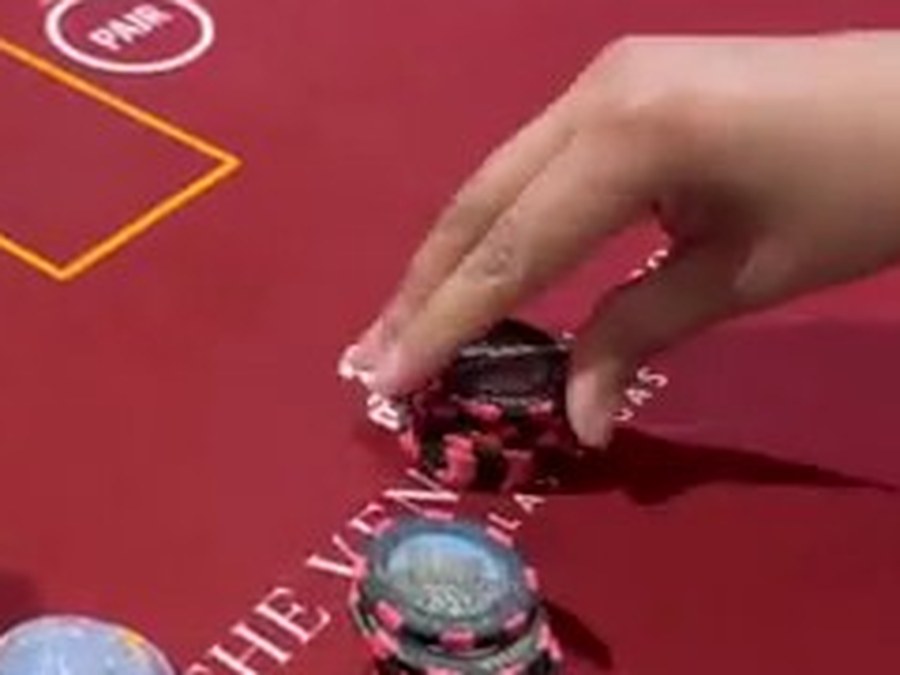
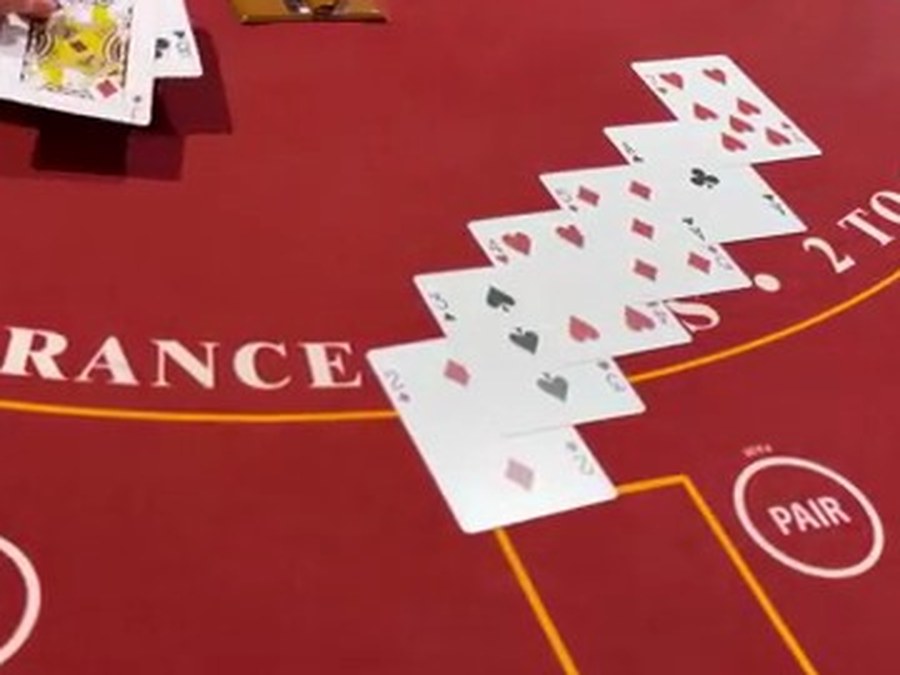

Never miss a hand
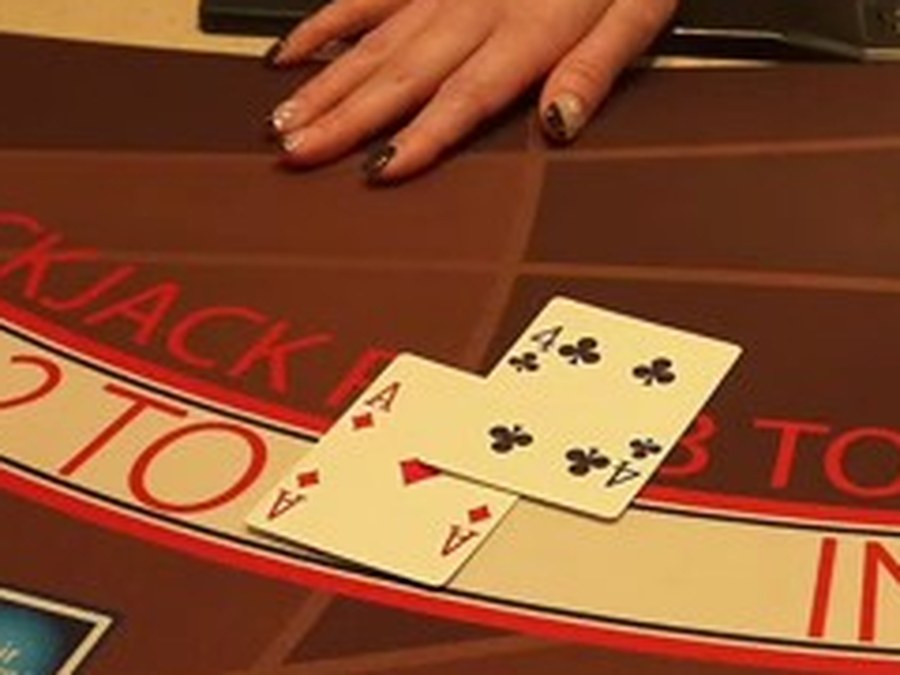
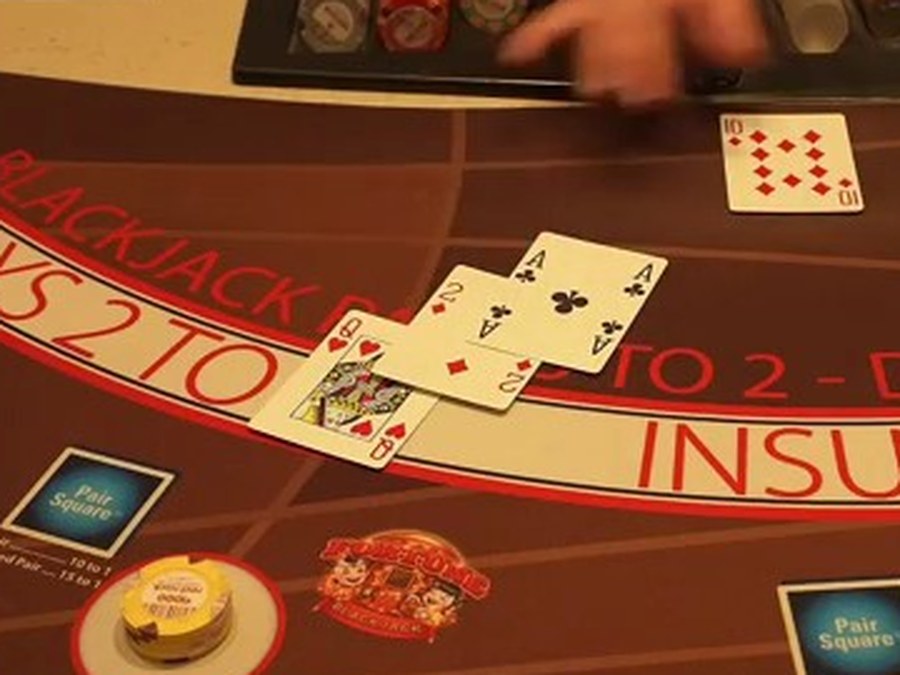
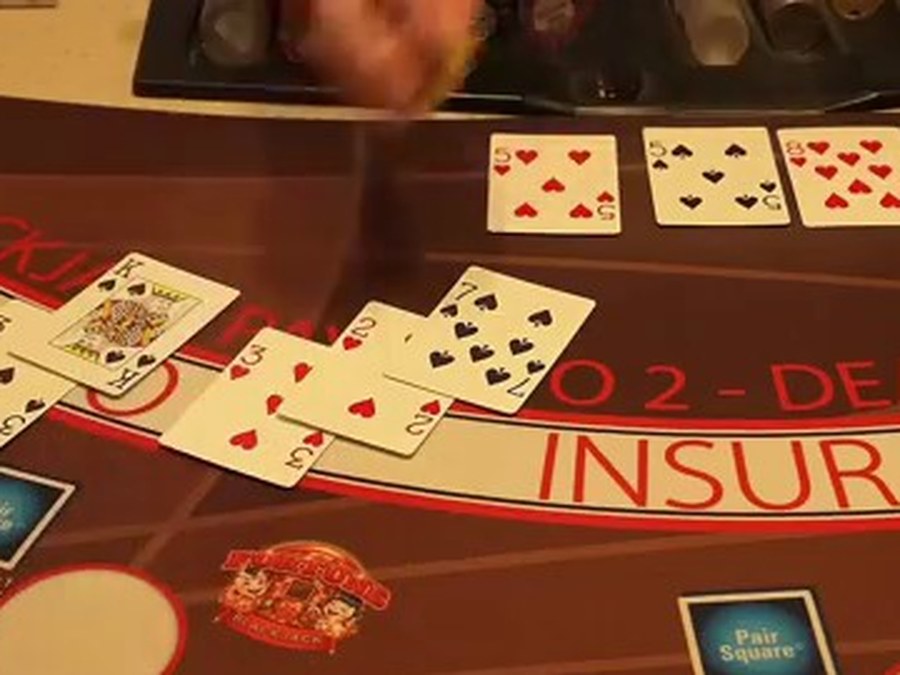
Peregrine reads every frame of overhead camera feeds and turns them into player data.
What it records
Cards
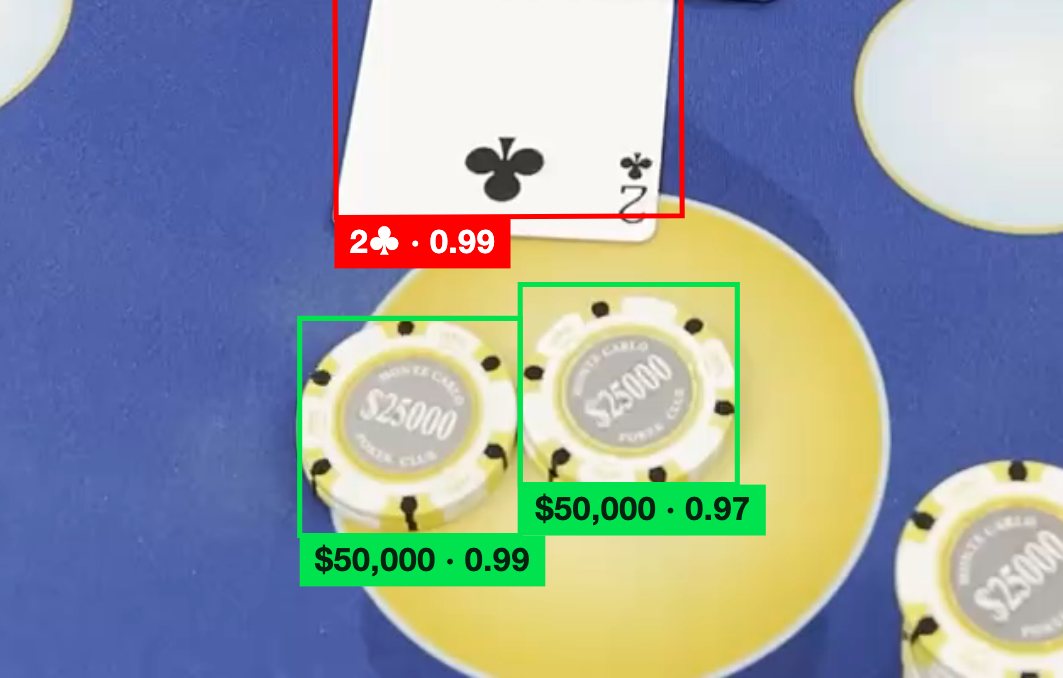

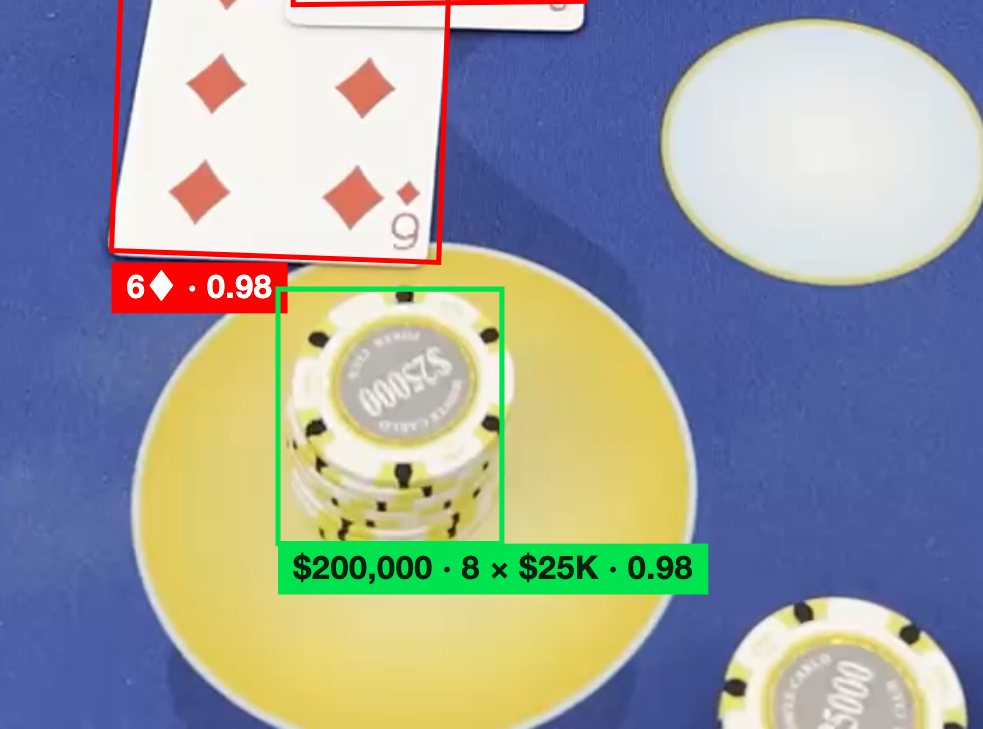
Every card read from the overhead angle, each detection carrying its own confidence value.
Chips


Wagers resolved to a dollar amount by colour and count rather than a dealer's estimate at the end of a shoe.
Decisions
Each hit, stand, split and double graded against basic strategy for the rules that table is actually dealing.
Payouts
Every payout checked against what the hand should have paid, and flagged the moment the two disagree.
The player record
Automatic player ratings
Attached to the seat
Play is attributed to a player who carded in at that spot, so the hands, the buy-in and the wagers land on the right account from the first bet.
Skill, graded live
Each play is scored against basic strategy. The skill read is finished when the shoe is, not hours afterwards.
The rating fills itself in
Average bet, hands, pace, handle and theo accumulate from what the cameras counted. Every figure takes into account every wager, which separates Peregrine's ratings from an estimate written down at the end of a shift.
One record at the end of it
When the seat closes out, the profile, the rating and the skill grade are already written. Nothing is keyed in afterwards, and every figure on it can be traced to the frame it came from.
Slippage Prevention
Game protection
Counted
The chips going across the felt are counted by denomination straight from the table footage, and that count is checked against what the hand should have paid.
Checked
A payout only clears when the count and the expected payout agree. When they don't, the disagreement surfaces immediately, while the table is still live, rather than turning up in a variance report at the end of the month.
The frame behind the call
Each line carries the frame it came from and the confidence attached to it, so a claim can be opened, watched and either confirmed or thrown out — held for human review, not just logged.
Why Peregrine?

No new hardware
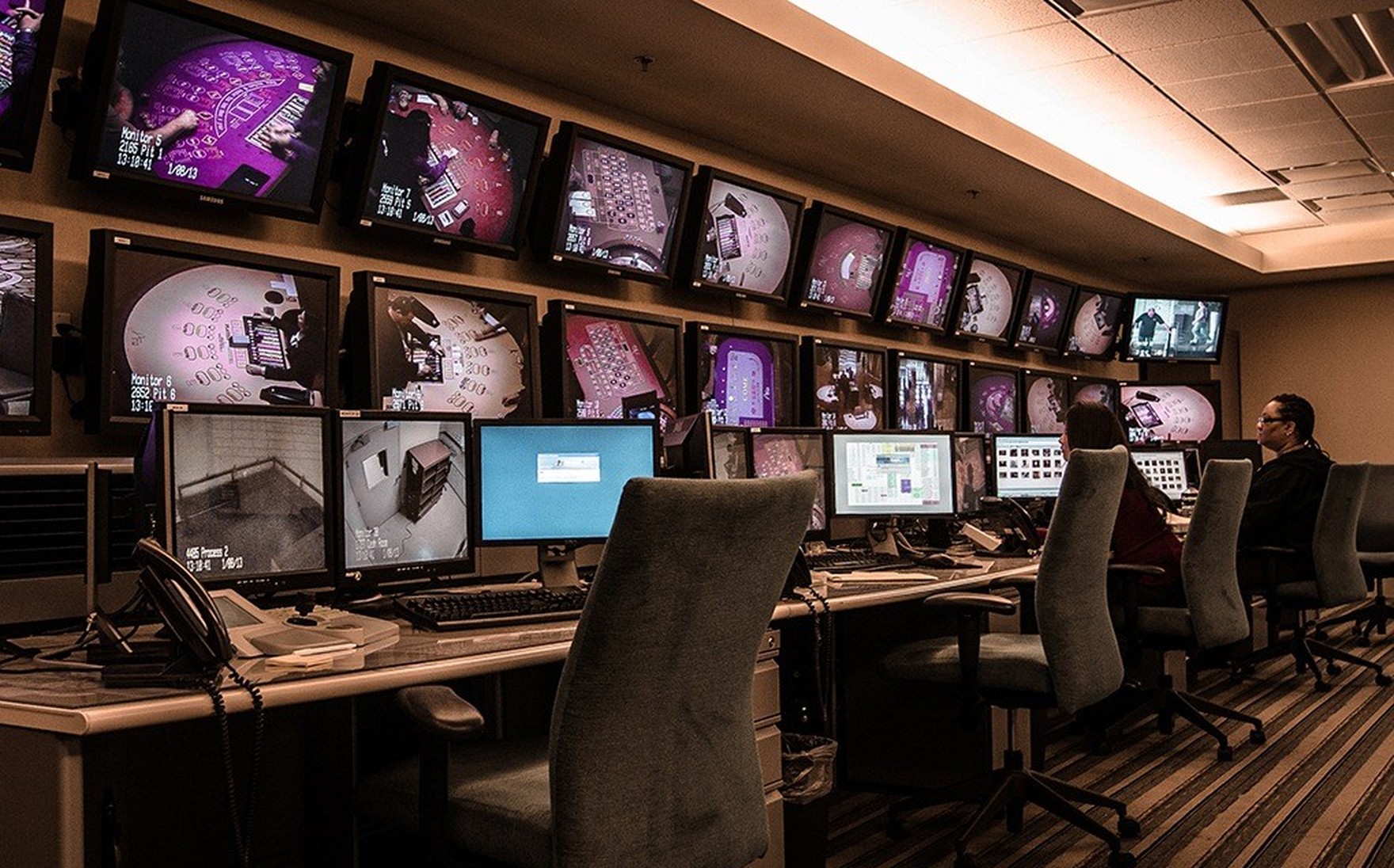
Runs on the surveillance feeds already installed above your tables. Nothing is mounted on the felt and nothing changes about how the game is dealt.
Stays on property
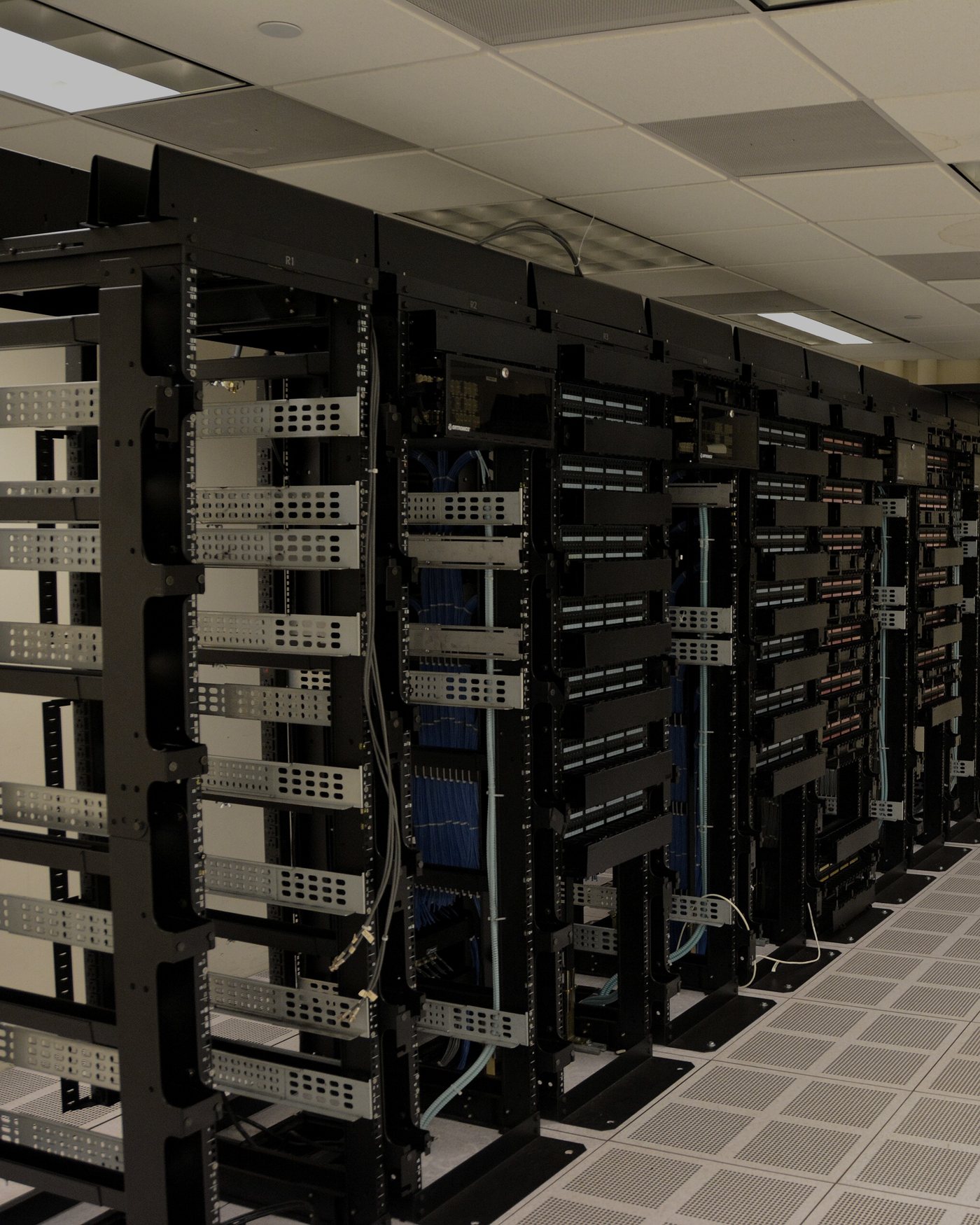
The model runs inside your building on your own hardware. Footage does not leave the property.
Every claim traceable
Each entry in the record keeps the frame it came from, so anything the model asserts can be checked against the footage.
The old way vs. Peregrine.
The old way
A pit boss watches the table between other duties and writes down an average bet at the end of the session. Miss a hand, and that guess is what the rating gets built on.
Peregrine
Every wager on the felt is counted straight from the cameras already above it. Average bet, hands, pace and handle accumulate the moment the chips land, not from memory after the fact.
The old way
A payout dispute turns up in a variance report days or weeks later, once the shift — and the memory of who paid what — are both long gone.
Peregrine
The chip count is checked against the payout while the hand is still on the table. A disagreement surfaces immediately, with the exact frame it came from attached.
The old way
Real coverage means an RFID retrofit: new chips, new readers, new hardware on every table, and a construction project before the first number comes in.
Peregrine
Runs on the surveillance cameras already mounted above your tables. Nothing new goes on the felt, and nothing changes about how the game is dealt.